Conditional Federal Loan Would Back More Output From Existing Nuclear Stations
The Energy Department’s commitment of up to $5 billion targets Constellation uprates and modernization. The projected capacity must still pass financing and project milestones.
Published October 29, 2026Intelligence / Energy / Next-Gen Nuclear
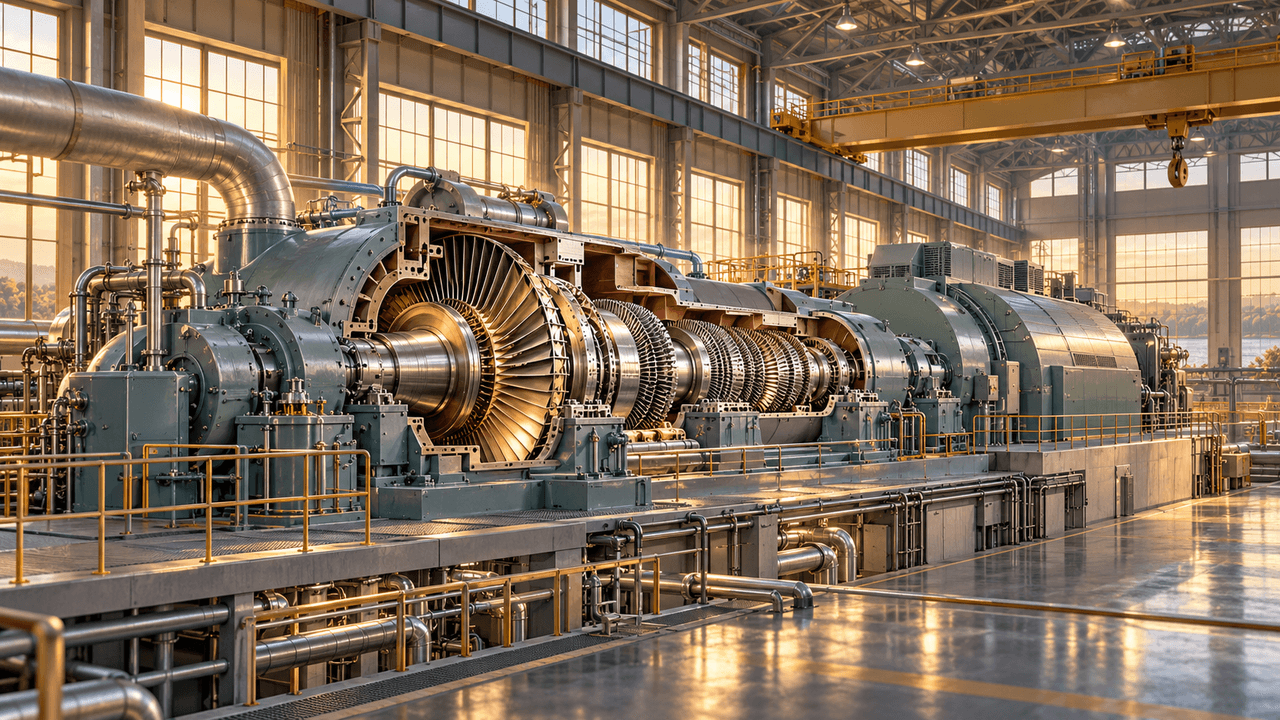
More electricity can come from an existing nuclear site without building another reactor, but it still requires a project. An uprate increases the power a unit is permitted and equipped to produce. That can involve demonstrating greater operating capability or changing equipment so the plant can safely handle a higher output. The relevant question is which plant-specific limits can be changed, at what cost and on what schedule. 2
On October 27, the U.S. Department of Energy (DOE) announced a conditional loan commitment of up to $5 billion for Constellation nuclear uprates and modernization. The eight named stations are Braidwood, Byron, Clinton, Dresden, LaSalle and Quad Cities in Illinois; Calvert Cliffs in Maryland; and Limerick in Pennsylvania. DOE projects nearly 1.1 gigawatts of additional capacity from the planned work. That is proposed capacity, not newly operating output. 1
Conditional commitment is an intermediate financing status. DOE says technical, legal, environmental and financial conditions must be met before definitive documents are signed and the loan is funded. The announced maximum therefore should not be described as money already disbursed. A project can have a proposed financing route while still facing material work before it can proceed on that basis. 1
An uprate also reaches beyond the reactor’s headline power figure. More energy must be converted into useful electricity and carried through the plant’s systems. Equipment capability, cooling, protection settings and the assumptions used to assess operation have to remain consistent with the proposed change. Review addresses the particular project and configuration. Existing infrastructure offers a starting point, but its presence does not establish spare capacity in every component.
Scheduling matters because some modifications require the unit to be offline. Combining work with an existing outage may reduce the disruption of a separate shutdown, yet it can also add tasks to a tightly coordinated period. Equipment delivery, installation and testing must fit that sequence. A credible capacity forecast needs the expected dates of completed changes and resumed operation, rather than treating the entire projected addition as available when financing is announced.
DOE presents lower electricity costs as an expected benefit. Additional supply can contribute to that objective, but a household bill also depends on the cost of providing the supply, its financing and the way market and retail charges reach customers. The release does not establish a measured bill reduction from these uncompleted projects. Gigawatts describe power capacity; the energy delivered over time also depends on how the plants operate. Neither measure alone supplies a customer’s eventual price. 1
The announcement is consequently a financing and infrastructure-development story. The useful milestones are loan closing and funding, project approvals, equipment installation, completed testing and verified additional operation. Constellation’s existing stations could provide a platform for more generation. Tracking those steps will show how much of the proposed capacity becomes dependable supply and when the projected public benefits can be assessed against operating results.